
Invasive Mussels Are Back in the Spotlight
In her article “Great Lakes whitefish crisis: A looming extinction,” Kelly House (Bridge Michigan, as published on MyNewberryNews) describes how whitefish — long an icon of Great Lakes culture, commerce, and the Anishinaabe way of life — are now facing severe population crashes in Lakes Michigan and Huron. The cause: invasive European mussels (especially quagga mussels) that have overrun the lakebeds, stripping nutrients and plankton from the water and leaving it ultra-clear. This clarity allows sunlight to penetrate deeply, which is actually harmful to juvenile whitefish, many of which die from UV damage.
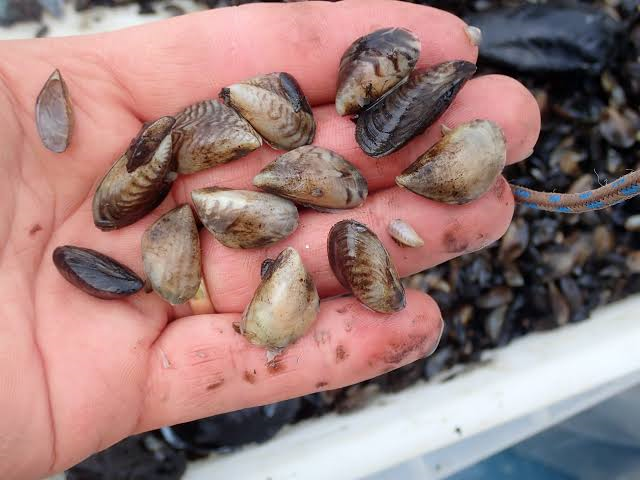
Pictured: Invasive quagga mussels
Scientists urgently need to find ways to suppress the mussels — potentially via pesticides, parasites, or genetic vulnerabilities — but funding is limited, and such solutions may take many years to develop. Simply banning fishing won’t solve the problem, because much of the remaining whitefish population is old and not reproducing effectively; even with reduced catch limits, their numbers continue to decline.
One bright spot: Lake Superior’s whitefish population remains healthier, because its very low calcium levels make it harder for mussels to thrive there. But the mussels are slowly spreading even into Superior, threatening that refuge. As a drastic conservation measure, some scientists are proposing a “Noah’s Ark” approach: relocating a small number of whitefish into inland ponds where they could survive until the lakes are less hostile — and possibly be reintroduced someday.
It’s a stark example of how invasive species, environmental disruption, and underinvestment in science are pushing a culturally and economically vital species toward potential extinction — but also how creative, long-term conservation strategies may offer a glimmer of hope.