what we aim towards
Our vision is to be a world leader in the science needed to monitor, understand, and manage the health and sustainability of Great Lake ecosystems.
The team
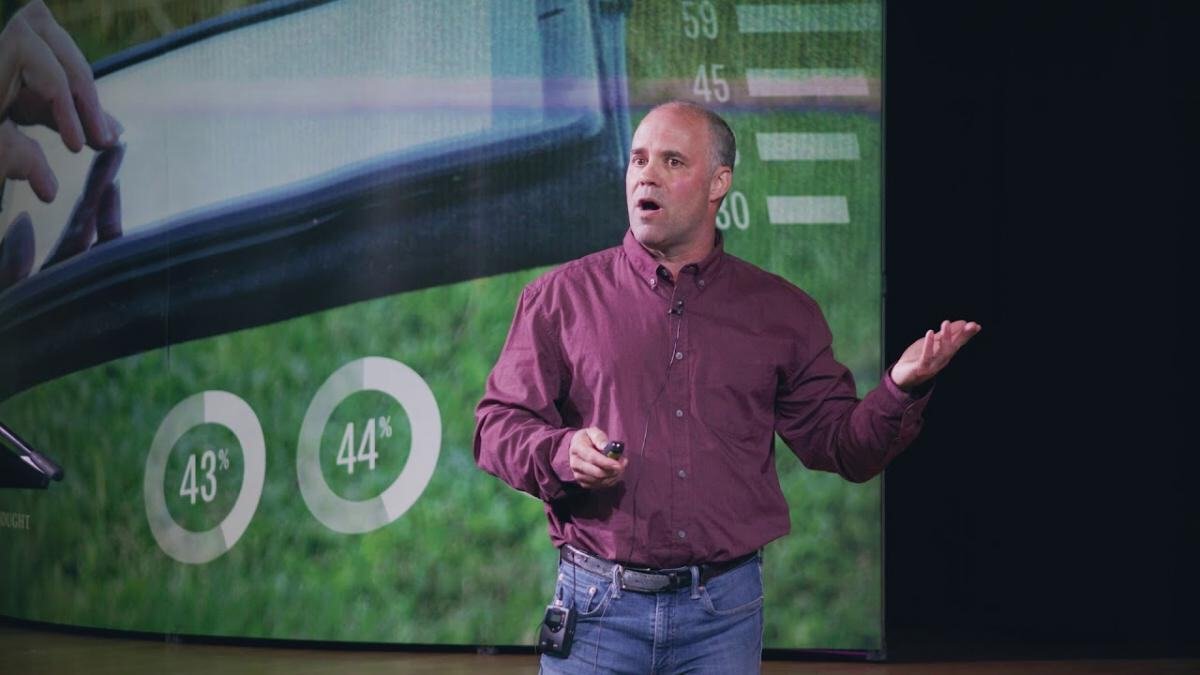
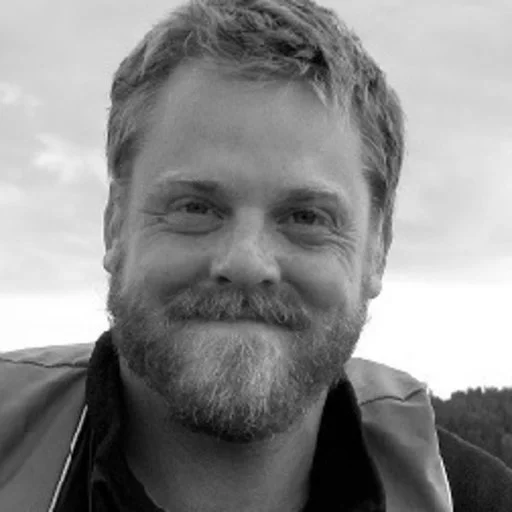
Director (Professor)
Kevin is a mathematical ecologist that works on the relationship between biostructure and ecosystem function, stability, and sustainability. His lab combines theory and field work to look at how global change alters aquatic biostructure in Canadian Shield lakes, marine ecosystems, and floodplains. This research scales from genes to ecosystems and can be used to develop large scale perspectives on sustainability in a changing world.
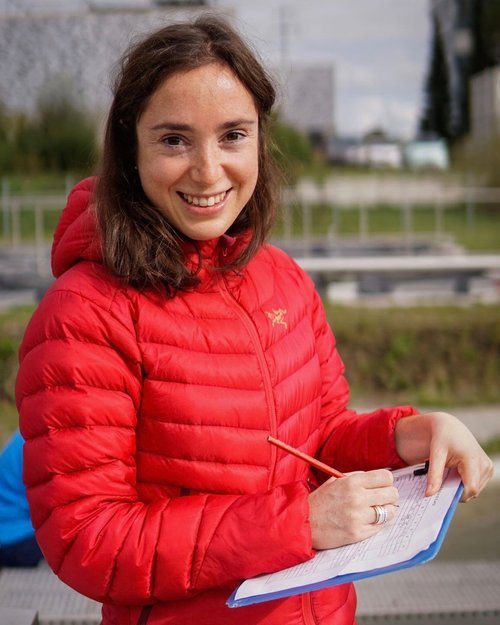
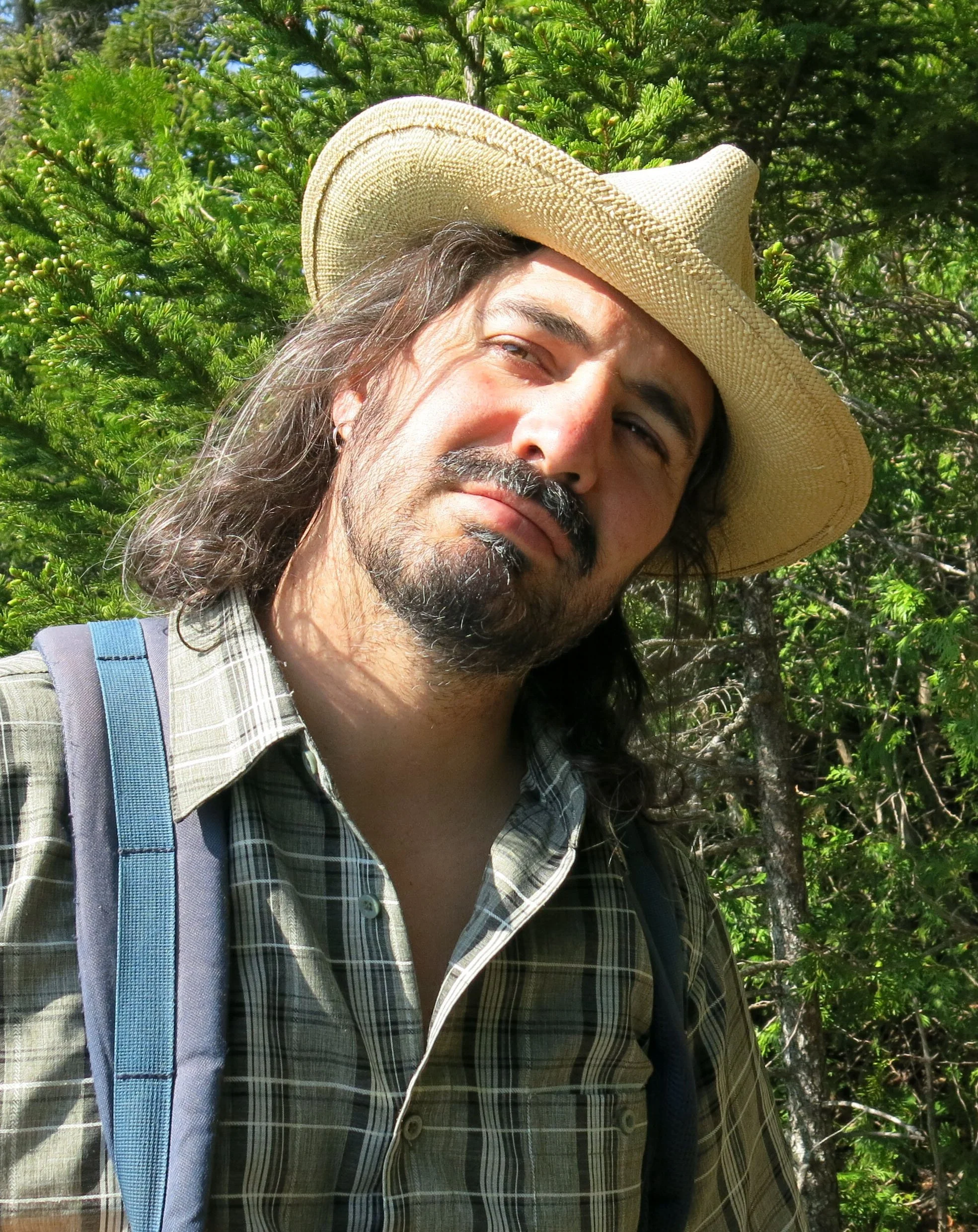
Assistant Professor
Joey is an ecologist whose research aims to advance our fundamental understanding of the drivers of biodiversity change and the consequences of these changes for human well-being. She combines theory, experiments and synthesis to study how living systems change as the environment changes, and what these changes mean for human well-being.
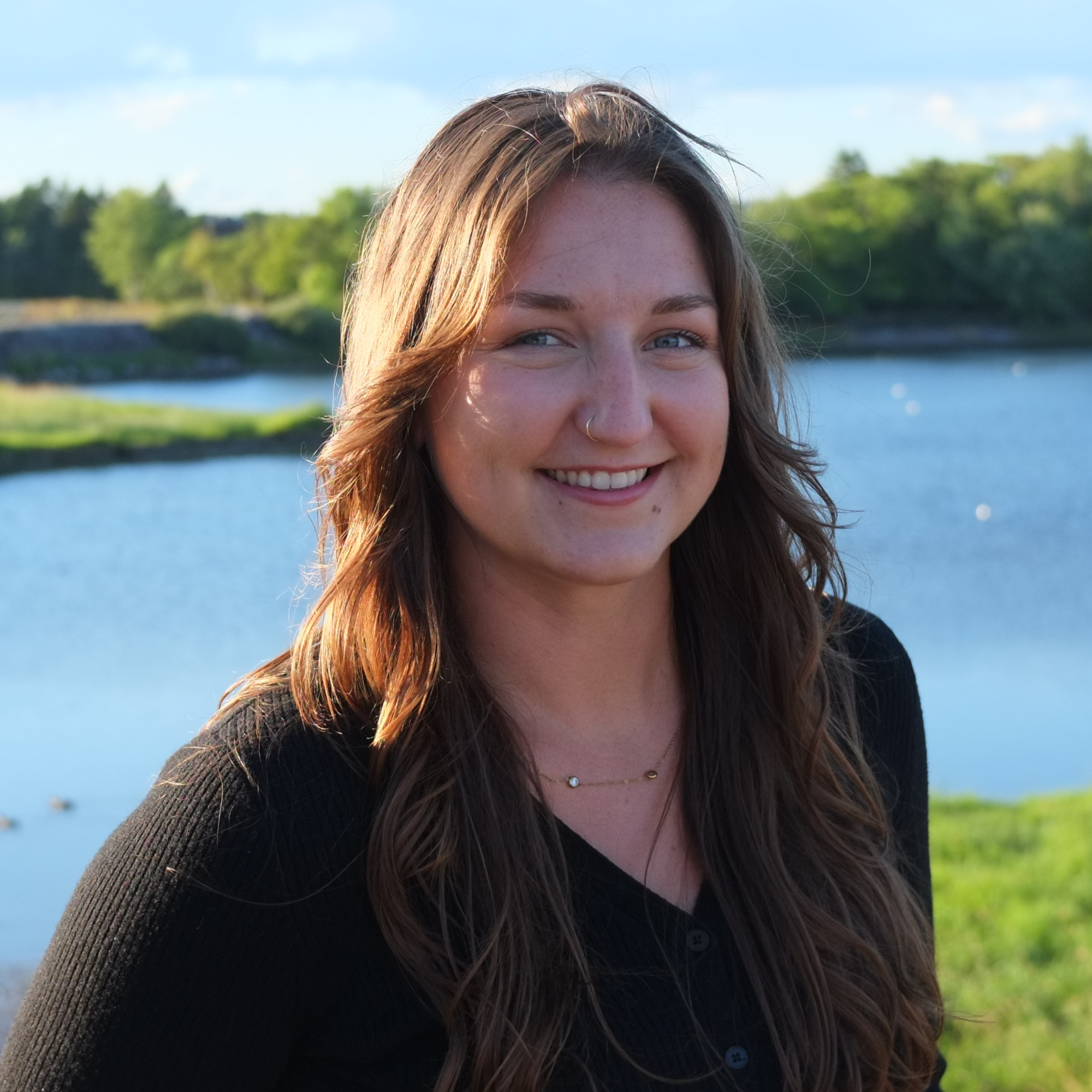
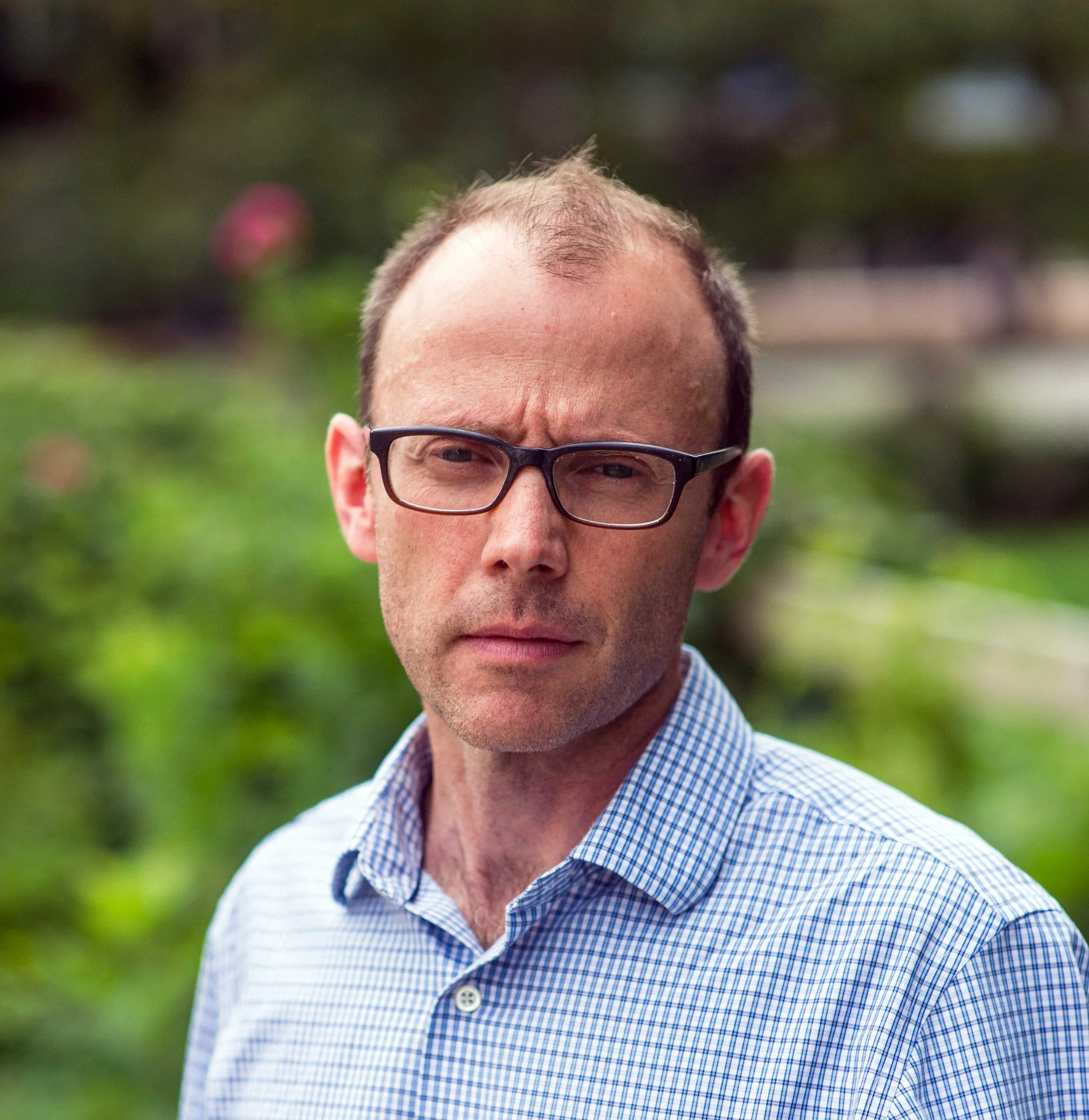
Assistant Professor
Carling is a theoretical ecologist who studies the links between global change and food web structure and functioning. She uses general theory to develop a fundamental understanding of food web dynamics and use empirical examples from various ecosystem types to link this theory to critical problems in today’s changing world. Her work integrates field and fisheries data regularly and looks at the impacts of global change on the sustainability of ecosystems.
Communications & Operations Coordinator
Helen has a background in biology (BSc., University of Guelph) and Publicity and Public Relations (University of Toronto) which she combines with her love for all things wildlife and sustainability-related to support the core team at the Centre for Ecosystem Management. She oversees all operational activities, including the CEM’s website and social media accounts.
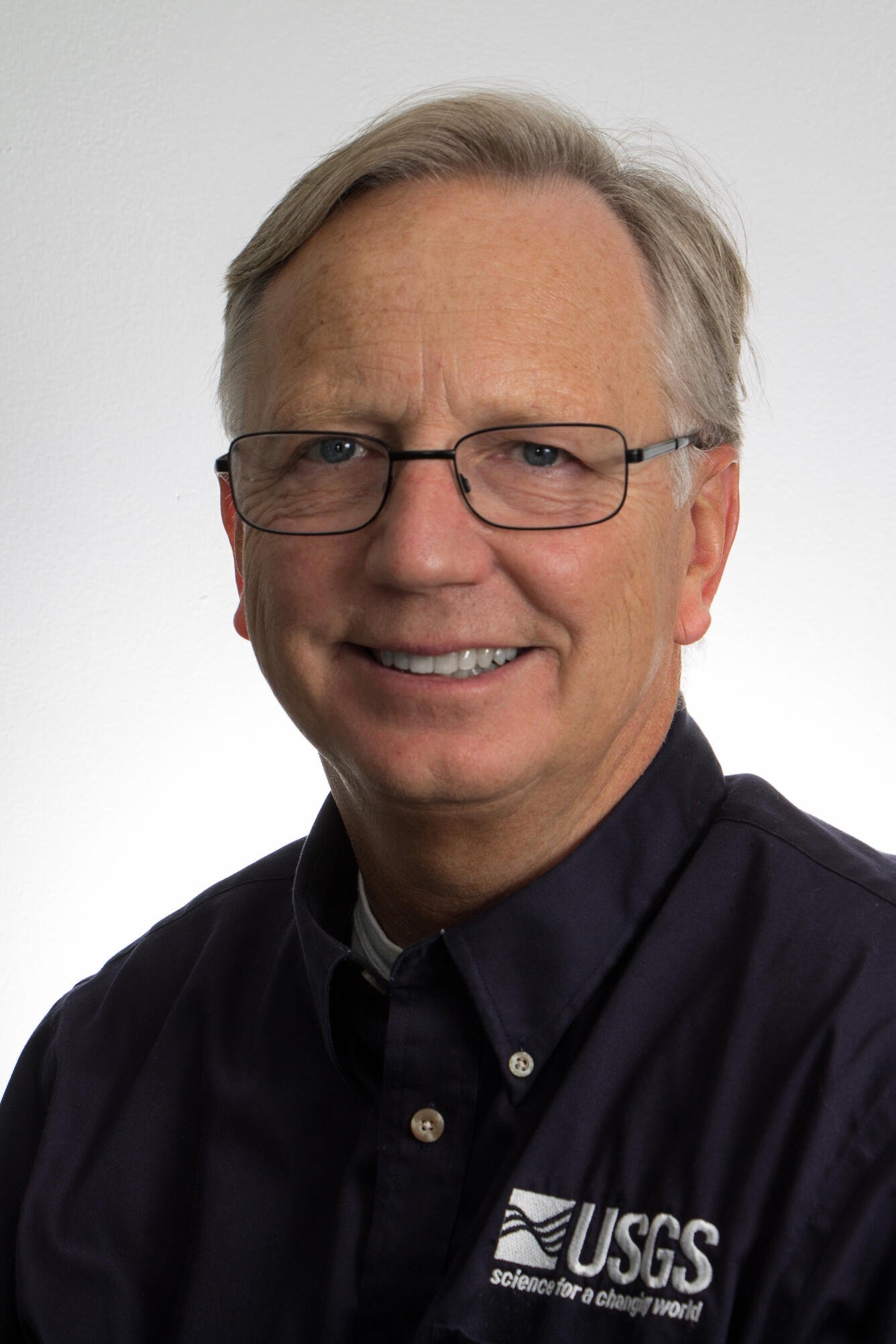
Strategic Advisor
Leon has spent his career specializing in research focused on the Great Lakes basin, which has placed him at organizations like the United States Geological Survey (Great Lakes Science Center), the MNR, and the IJC. After a primary research career that concentrated on fish community structure, he subsequently spent 20 years developing strong science programs to address the needs of managers and society at large. His interest now lies in the interface between science and management as well as developing systems to facilitate science production to answer societal issues at the appropriate scale.
Postdoctoral Fellow (McCann Lab)
Kayla is a theoretical ecologist that studies the structure and dynamics of complex networks of species interactions. Her research focuses on how different types of interactions – with consumers, resources, and mutualists – interface to affect ecological systems across scales, from organisms’ behaviour to emergent ecosystem services like agricultural yield.
Postdoctoral Fellow (Bernhardt Lab)
Amanda is an integrative ecologist focused on understanding how organisms respond to environmental change. She uses thermal physiological, genomic, and computational approaches in her investigations of species vulnerability to gradual and rapid environmental changes. Amanda is focused on answering how local spatial temperature variation can mediate – or exacerbate – organismal vulnerability to warming temperatures in the Great Lakes.
Postdoctoral Fellow (Bernhardt Lab)
Jason is an evolutionary ecologist whose research explores the consequences of mutualistic interactions among species. He uses experimental and genomic approaches to study the effects of microbiomes on the fitness, phenotypes, and stress tolerance of their hosts. Jason has a PhD from the University of Toronto and an MSc. from Memorial University of Newfoundland.
Postdoctoral Fellow (Bernhardt Lab)
Kaleigh is an ecologist interested in understanding broad patterns in how biological systems respond to warming. Her primary focus is on the interaction between climate warming and resource availability, and how this affects species interactions and ecosystem functioning. Through her work, Kaleigh aims to integrate basic and applied ecology in order to address urgent, local problems associated with anthropogenic change.
Postdoctoral Fellow (McCann Lab)
Chris is an ecologist who studies species interaction networks, exploring what shapes their structure—whether it’s the biology of the system or environmental influences. He uses network theory to better understand how species interact and communities function, with a focus on identifying and addressing biases to make these network models more reliable and useful.
Dr. Timothy Fernandes
Postdoctoral Fellow (McCann Lab)
Tim’s research has broadly focused on understanding the seasonal biology of aquatic organisms to identify if and how seasonal ecological and physiological processes shape organismal- and population-level vulnerability to global change. Currently he’s working on identifying the impacts of seasonal disturbances (e.g., sound) on predator-prey interactions and fish behaviour and physiology to directly inform federal policy.
Postdoctoral Fellow (McCann Lab)
Mike is a mathematician whose specialty is in dynamical systems modelling and analysis, applied to identifying features of fragility and resilience within ecological, economic, and financial systems. His interest in human activity overlaps with ecology in topics including resource governance, institutional evolution, cooperation-competition trade-offs and risk-taking, all within changing ecological and economic environments.
Postdoctoral Fellow (Bernhardt Lab)
Megan’s research focuses on the role of fundamental processes - including species interactions, abiotic drivers, and dispersal - in governing the maintenance of species assemblages. She is particularly interested in understanding the relative strength of these processes under future global change scenarios. In her postdoctoral work at the CEM, Megan aims to bridge theoretical and data-driven approaches to predict how species interactions that are temperature-dependent might buffer or accelerate extinctions and ensuing ecosystem-transitions.
Postdoctoral Fellow (McCann Lab)
Charlotte is an ecologist whose research explores the relationships between food web structure, resilience, and ecosystem functioning in a changing world. A central focus of her work is understanding how species respond to natural and human-driven environmental variation, and how these responses propagate through whole food webs to alter pathways of energy flow that underpin ecosystem processes. She combines theoretical and empirical approaches, working primarily in aquatic systems with a particular emphasis on freshwater fishes.
GRADUATE STUDENTS
Alexa works out of the McCann Lab as a theoretical ecologist who uses theoretical and empirical practices to understand how species interactions—shaped by different activity patterns across daily to annual environmental cycles—contribute to the stability of food web dynamics.
Sarah Rauf works out of the Bernhardt Lab examining the physiological plasticity of phytoplankton populations and communities to warming and nutrient limitation. This work will further aid in the CEM’s understanding of how living systems respond to global change.
Erica works out of the McCann Lab where she uses acoustic telemetry to investigate how freshwater fish use their habitats and how their behaviour influences their exposure to human disturbances across space and time, generating insights that identify when development activities pose the lowest risk to fish communities.
Eric works out of the Hanner Lab, where he focuses on the interplay and relationships between climate change, body size, life history and population growth. More specifically, his research looks at the theoretical feedback loops which occur between these variables and emphasizes biocomplexity.
Rachael works out of the McCann Lab where she uses a combination of acoustic telemetry and stable isotopes to investigate how fish respond to changing environmental conditions, and how these changes influence food web architecture in Lake Huron.
affiliated researchers
inSileco Inc. & Adjunct Faculty (University of Guelph)
David has recently been working with the Centre for Ecosystem Management through the consulting firm that he co-founded with Kevin Cazelles, InSileco Inc., on the project “Towards Understanding and Managing for Critical Timing Windows”. This project seeks to operationalize the assessment of timing windows for interventions in freshwater ecosystems and involves conceptual developments as well as the development decision-support tools.
Through his firm, David Beauchesne will also be involved in the new NSERC Alliance Grant project titled “Rewired Great Lakes Food Webs: Implications for Fish Production and Resilience” that seeks to analyze and synthesize patterns in Great Lakes food webs rewiring to forecast future fisheries productions and ecosystem resilience to guide management and decision-making.
OMNRF & Adjunct Faculty (Guelph)
Henrique is currently stationed at the Ontario Ministry of Natural Resources where he works with several of our researchers on various projects tied to the Great Lakes basin, such as the Lake Erie walleye and yellow perch population/biomass assessments, Lake Erie harvest resilience implications (NSERC Food Web Alliance, and Managing for resilience in the Great Lakes basin – developing an ecological restoration framework. Dr. Giacomini also holds the distinction of being an adjunct faculty member at the University of Guelph.
inSileco Inc. & Adjunct Faculty (University of Guelph)
Kevin has recently been working with the Centre for Ecosystem Management through the consulting firm that he co-founded with David Beauchesne, InSileco Inc., on the project “Towards Understanding and Managing for Critical Timing Windows”. This project seeks to operationalize the assessment of timing windows for interventions in freshwater ecosystems and involves conceptual developments as well as the development decision-support tools.
Through his firm, Kevin Cazelles will also be involved in the new NSERC Alliance Grant project titled “Rewired Great Lakes Food Webs: Implications for Fish Production and Resilience” that seeks to analyze and synthesize patterns in Great Lakes food webs rewiring to forecast future fisheries productions and ecosystem resilience to guide management and decision-making.
OUR ASSOCIATES
Our associates work alongside us in a variety of different manners, often co-operating on grant proposals, projects, and/or working groups. They include the following individuals from governmental and non-governmental agencies, as well as post-secondary institutions:
as well as Steve Cooke (Carleton University) / Evan Fraser (University of Guelph) / Beth Fulton (Centre for Marine Socioecology) / Todd Gillis (University of Guelph) / Tim Johnson (OMNR) / Andrew MacDougall (University of Guelph) / Neil Rooney (University of Guelph) / Wanhong Yang (University of Guelph)
STRATEGIC ADVISORY BOARD
Our Strategic Advisory Board (SAB) provides us with annual recommendations regarding the prioritization of our activities. These recommendations are rooted in the realms of research, teaching, and outreach. Current members of the Board include the following:
Heather Stirratt, Director (IJC)
-
Andrew Muir, Director of Science (GLFC)
-
Trisha Westman, Director, Science & Research (MNR)
-
Dave Brown, Director of Fish & Wildlife (MNR)
-
Hilary Oakman, Acting Regional Director of Aquatic Ecosystems (DFO)
-
Allison McPhee, Regional Director of Science (DFO)
-
Ryan Lauzon, Program Supervisor of Fisheries Management (Saugeen Ojibway Nation)
-
Dr. Jim Bence, Emeritus Faculty (QFC at MSU)
-
Dr. Mazyar Fallah, Dean of the College of Biological Sciences (UofG)
-
Dr. Robert Hanner, Professor (University of Guelph)
-
Heather Stirratt, Director (IJC) - Andrew Muir, Director of Science (GLFC) - Trisha Westman, Director, Science & Research (MNR) - Dave Brown, Director of Fish & Wildlife (MNR) - Hilary Oakman, Acting Regional Director of Aquatic Ecosystems (DFO) - Allison McPhee, Regional Director of Science (DFO) - Ryan Lauzon, Program Supervisor of Fisheries Management (Saugeen Ojibway Nation) - Dr. Jim Bence, Emeritus Faculty (QFC at MSU) - Dr. Mazyar Fallah, Dean of the College of Biological Sciences (UofG) - Dr. Robert Hanner, Professor (University of Guelph) -
An announcement pertaining to the appointment of our Strategic Advisory Board can be found here.
Partnerships & collaborations
get involved
join one of our Working Groups & collaborate with others
We develop workshops and working groups each year, tackling a variety of topics related to ecosystem management in the Great Lakes region.