A new ecosystem
for scientific progress


What we’re creating
a space where scientists, managers and policy-makers COLLABORATE TO develop research questions that advance knowledge and inform sustainable resource management.
We bring together diverse perspectives, skillsets and tools to tackle pressing environmental concerns, in the Great Lakes and beyond.
We conduct synthesis-driven research to understand the ecological interactions and processes necessary to sustain ecosystems in the Great Lakes basin. We integrate knowledge across scales, scientific traditions, and applications. Our goal is to bring a global perspective to local applications.

We create spaces for the collaborative development of questions and solutions in ecosystem management. We seek a diversity of perspectives, backgrounds, and applications in biodiversity science.
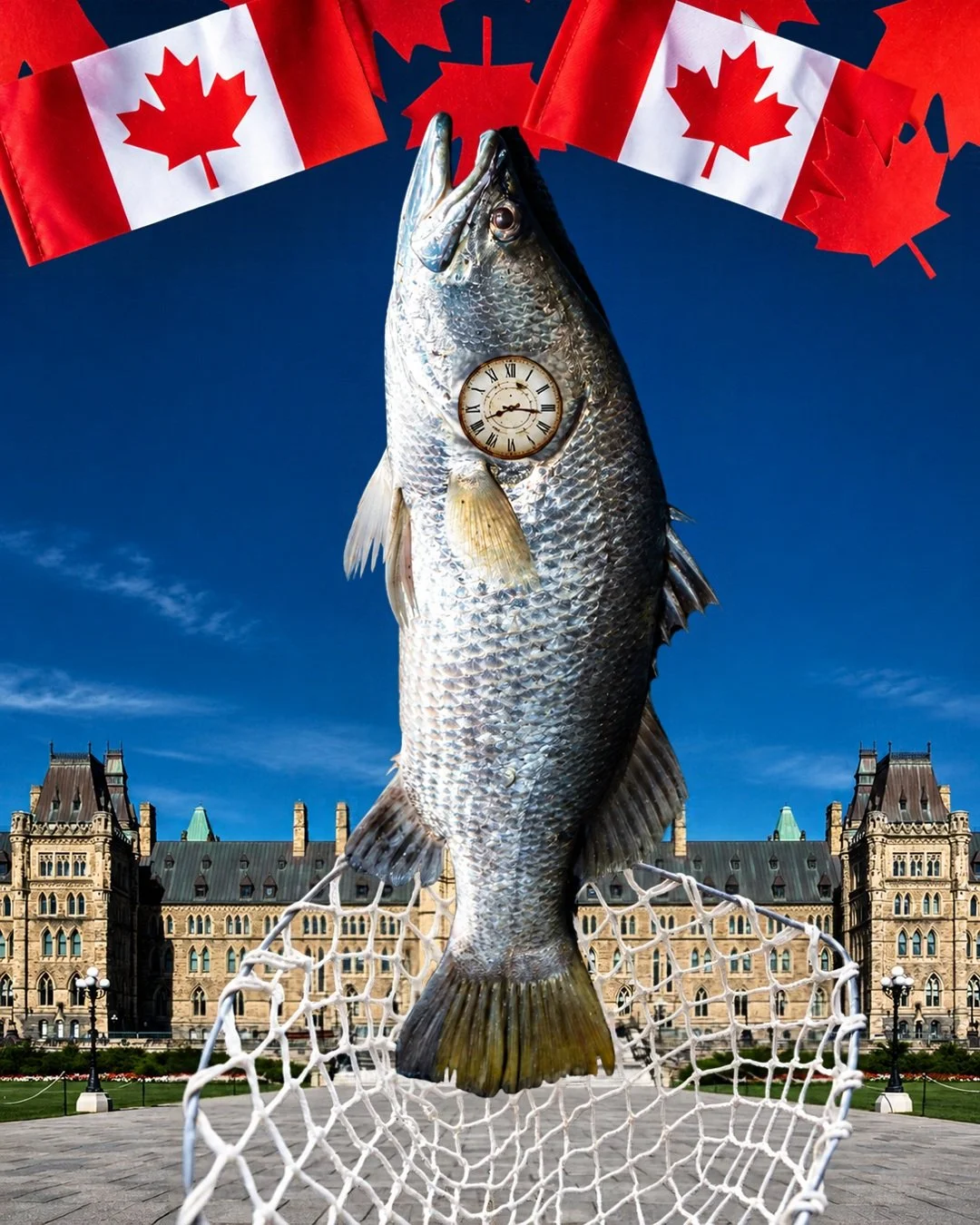
A recent CTV News article highlights growing concerns among Canadian scientists about the potential environmental consequences of the federal government’s proposed Bill C-39, the Building Canada Strong Act.
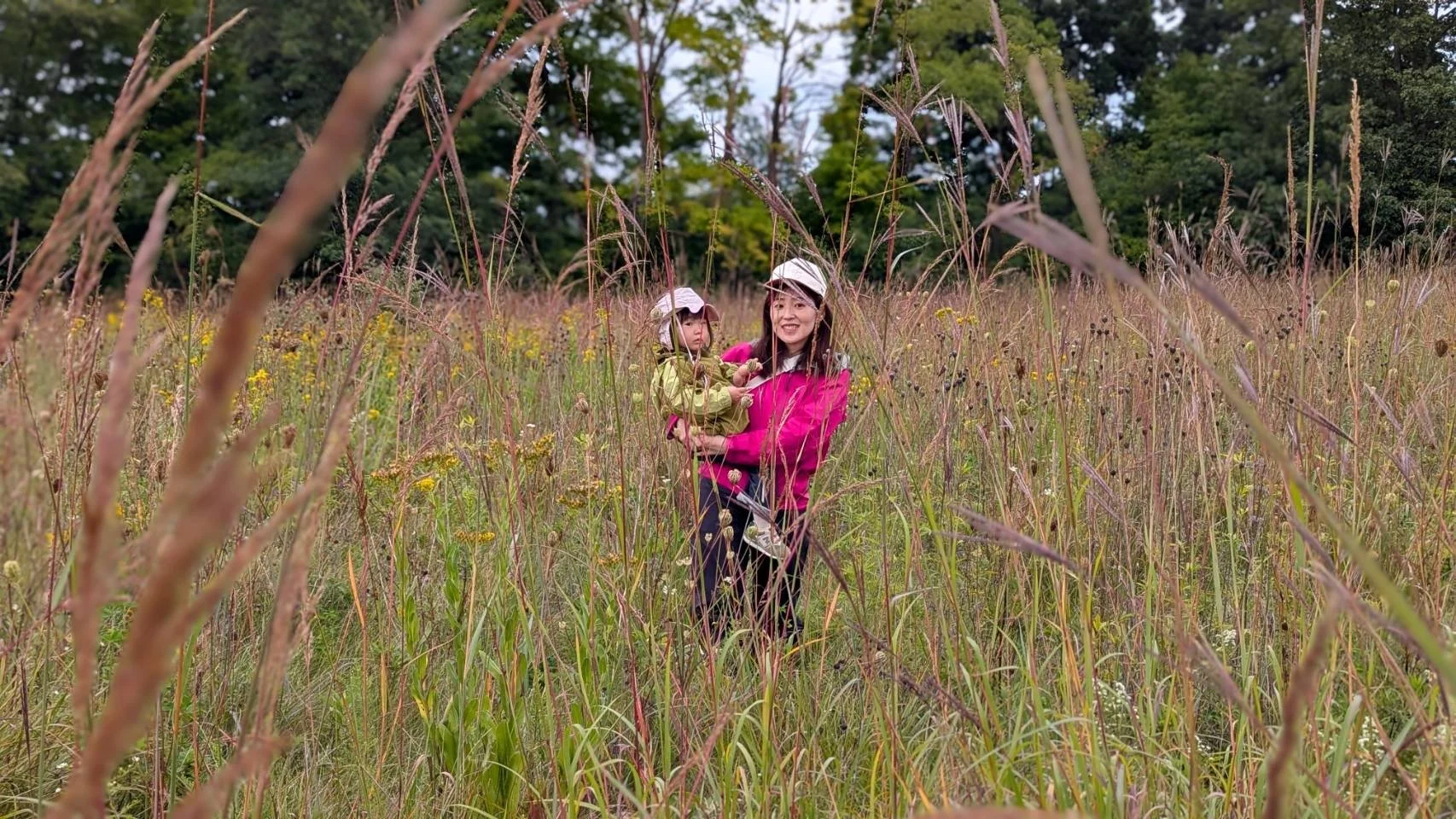
This month, the CEM has had the pleasure of welcoming Dr. Mito Ikemoto, an ecologist visiting from Japan, to work alongside researchers here and explore new connections between their research.
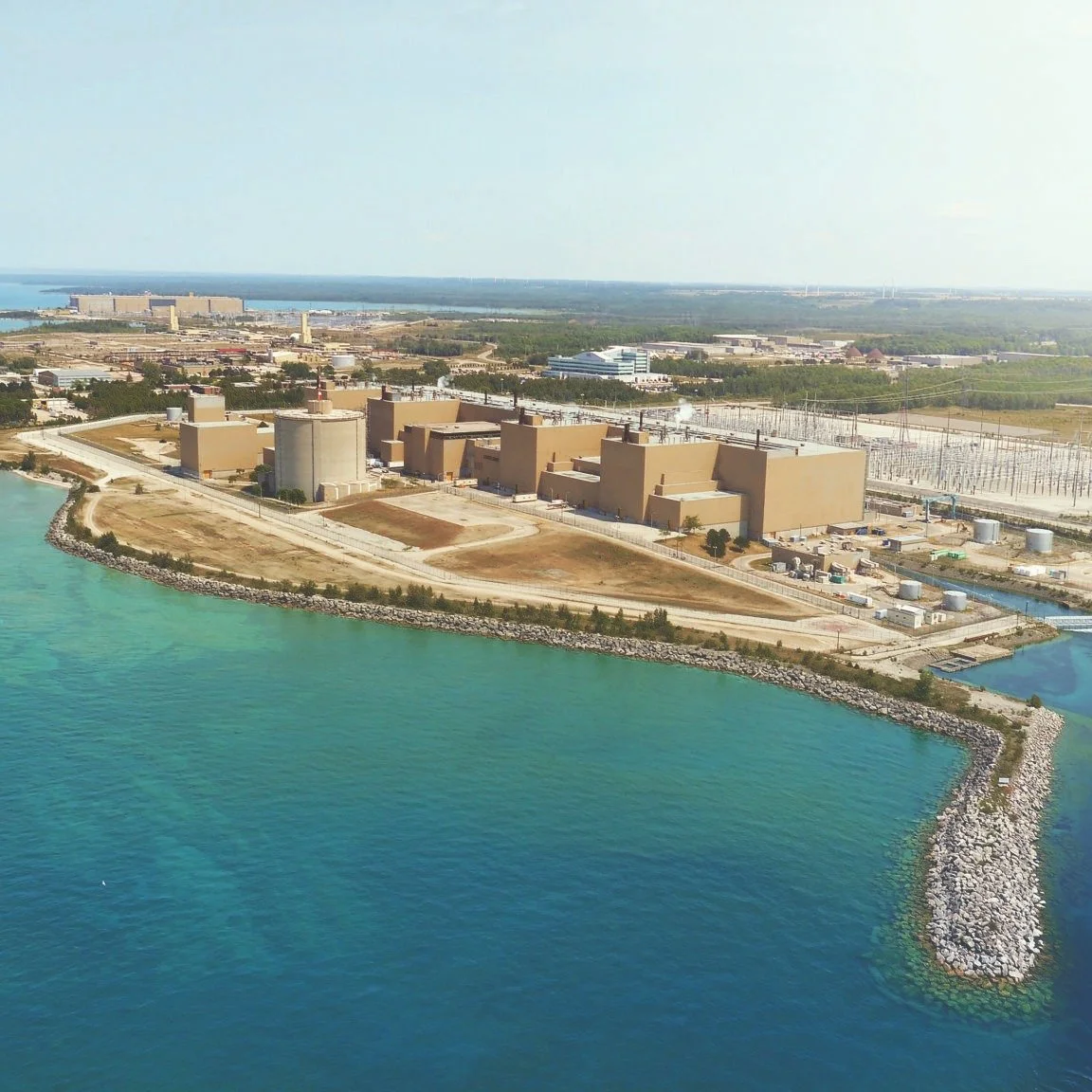
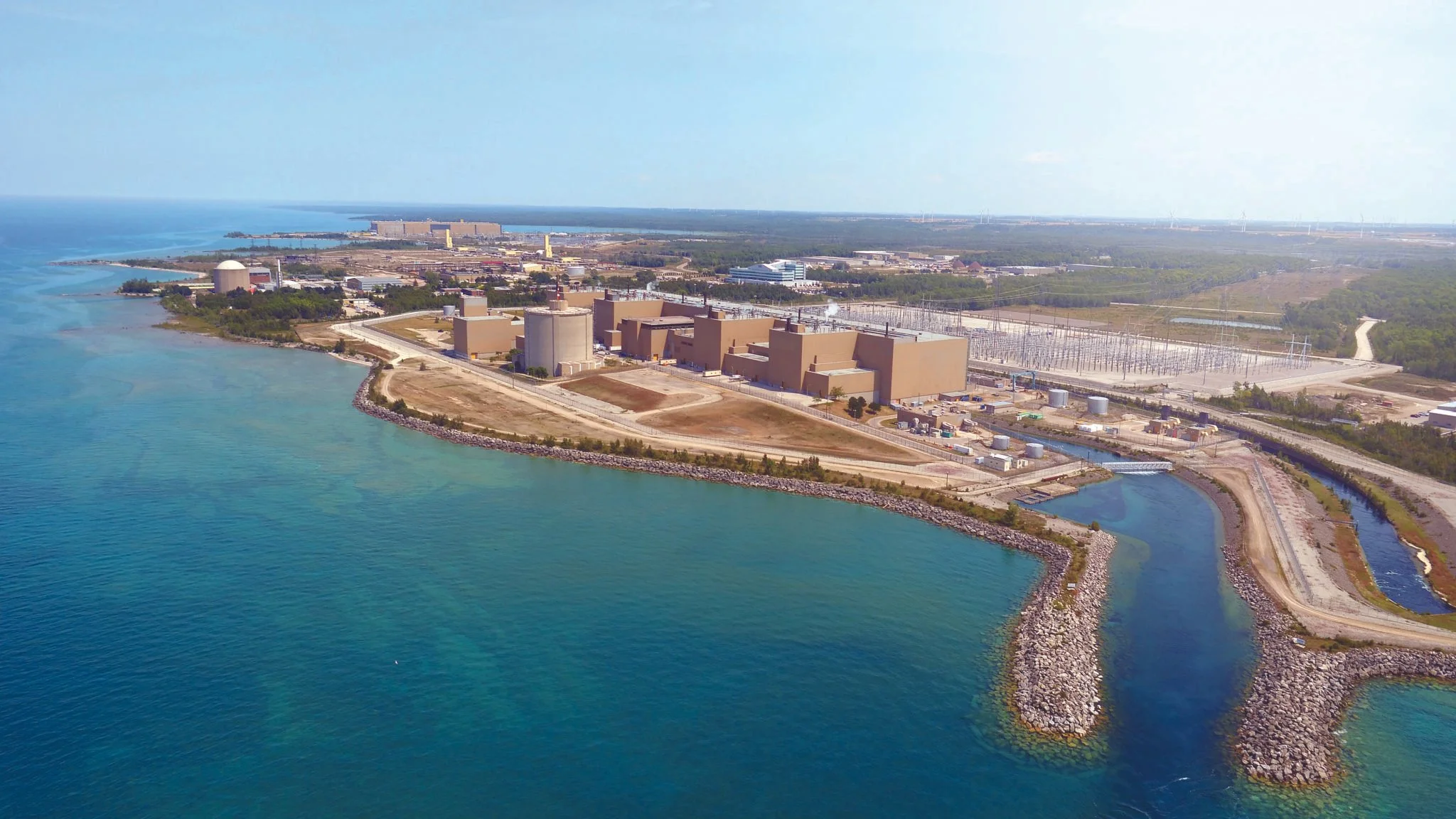
An extraordinary fish die-off in Lake Huron made headlines in 2025 when millions of gizzard shad accumulated near Bruce Power’s nuclear generating station, overwhelming the plant’s cooling-water intake system and contributing to a reactor shutdown.
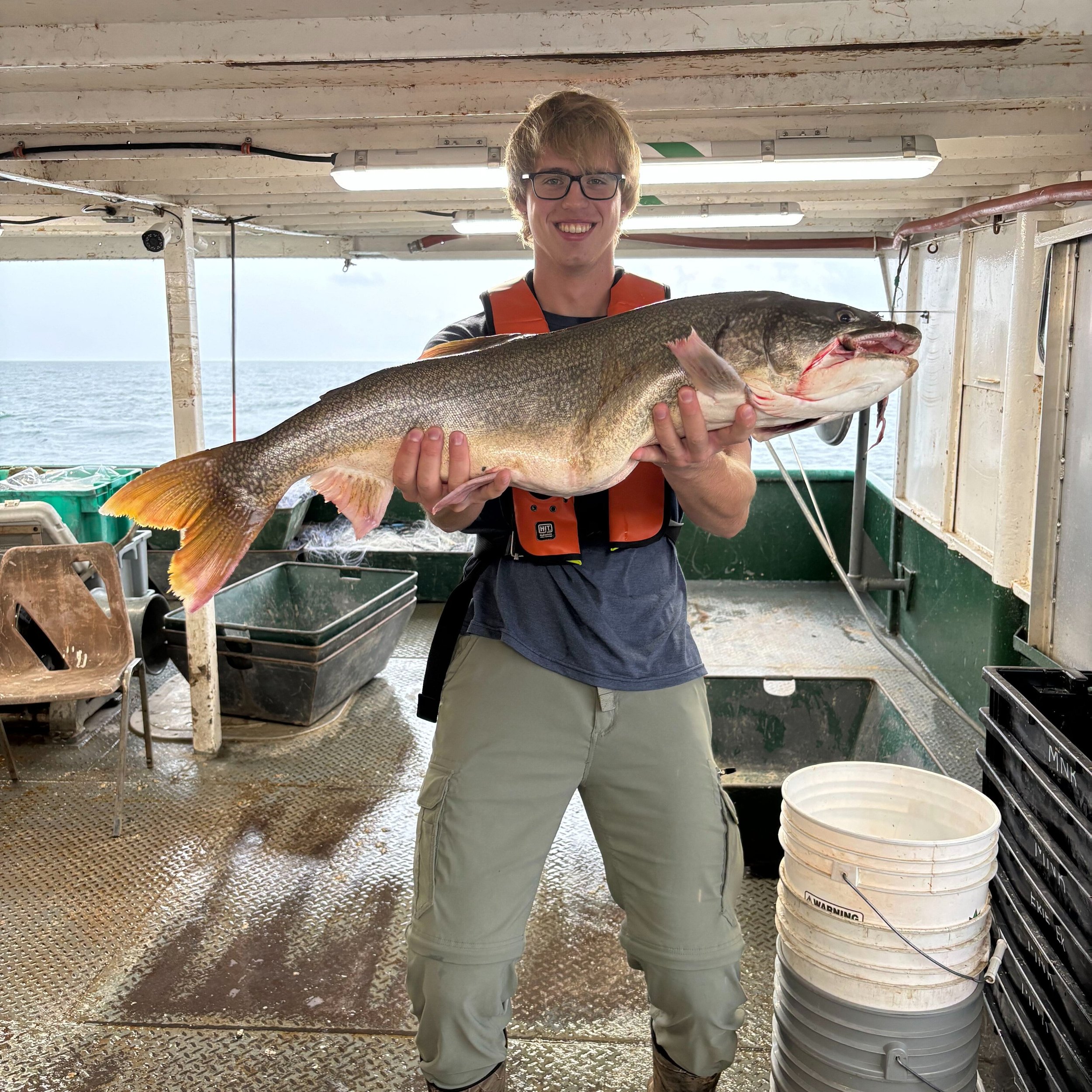
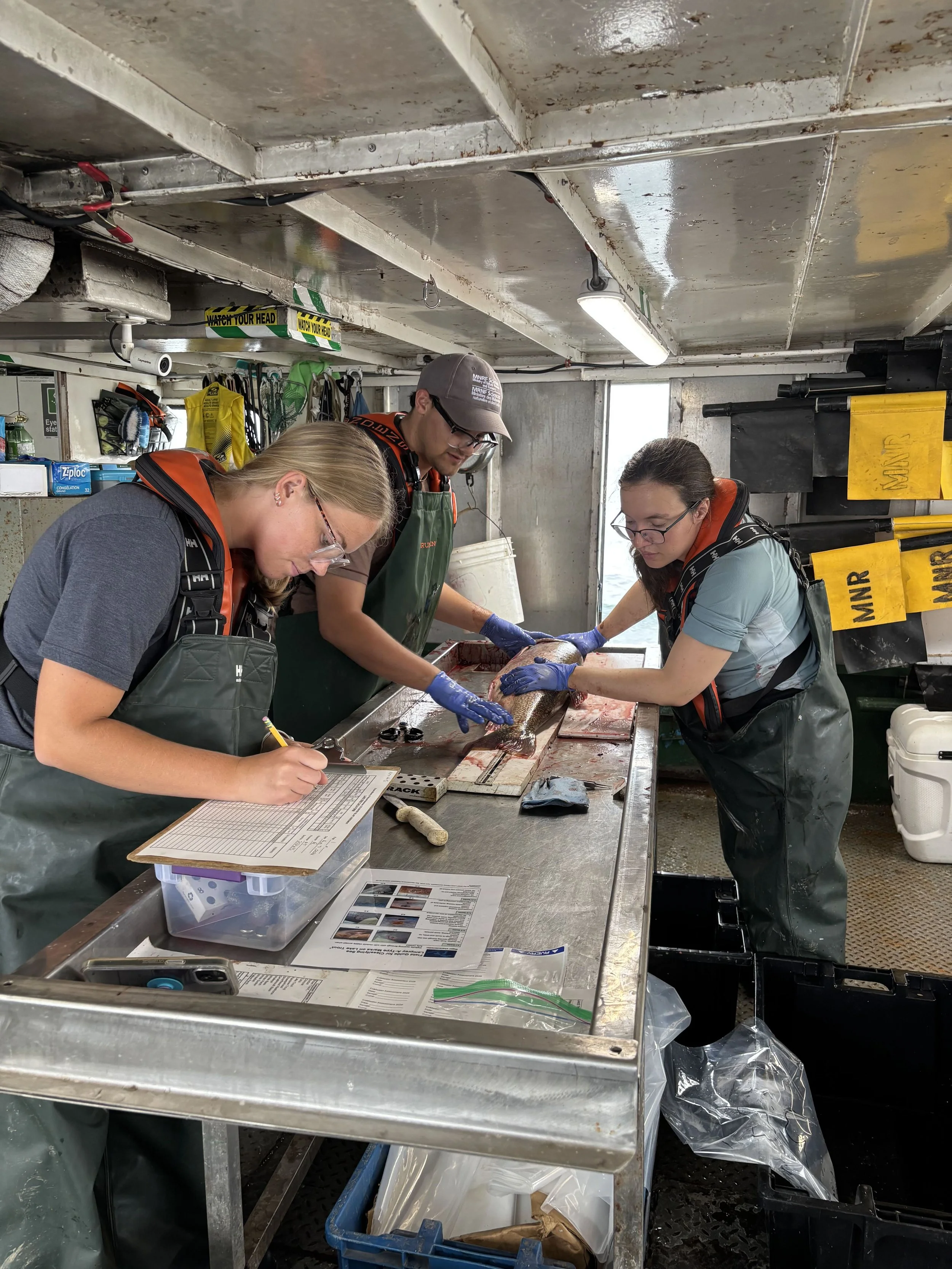
What does fisheries monitoring look like beyond the datasets and research papers? For students Nash and Mason, the answer recently meant heading out on Lake Erie with the Lake Erie Management Unit crews to see fisheries assessment in action.
A new perspective published in Nature Ecology & Evolution brings together ideas from food-web, community and animal-movement ecology to propose a common framework for understanding dynamic hotspots.
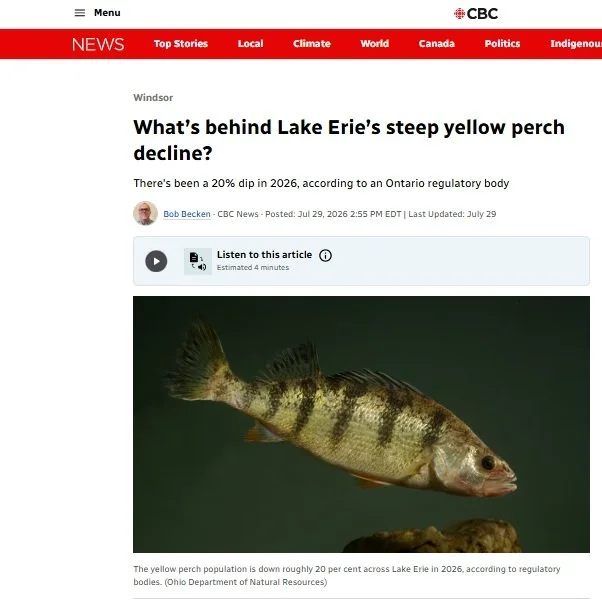
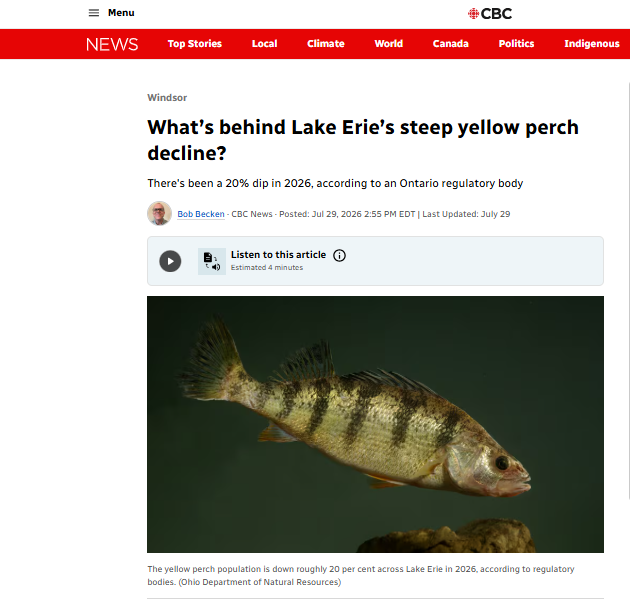
For decades, yellow perch have been an important part of Lake Erie’s ecosystem, supporting both commercial and recreational fisheries. But in recent years, yellow perch productivity in the lake’s central basin has declined.