A new ecosystem
for scientific progress


What we’re creating
a space where scientists, managers and policy-makers COLLABORATE TO develop research questions that advance knowledge and inform sustainable resource management.
We bring together diverse perspectives, skillsets and tools to tackle pressing environmental concerns, in the Great Lakes and beyond.
We conduct synthesis-driven research to understand the ecological interactions and processes necessary to sustain ecosystems in the Great Lakes basin. We integrate knowledge across scales, scientific traditions, and applications. Our goal is to bring a global perspective to local applications.

We create spaces for the collaborative development of questions and solutions in ecosystem management. We seek a diversity of perspectives, backgrounds, and applications in biodiversity science.
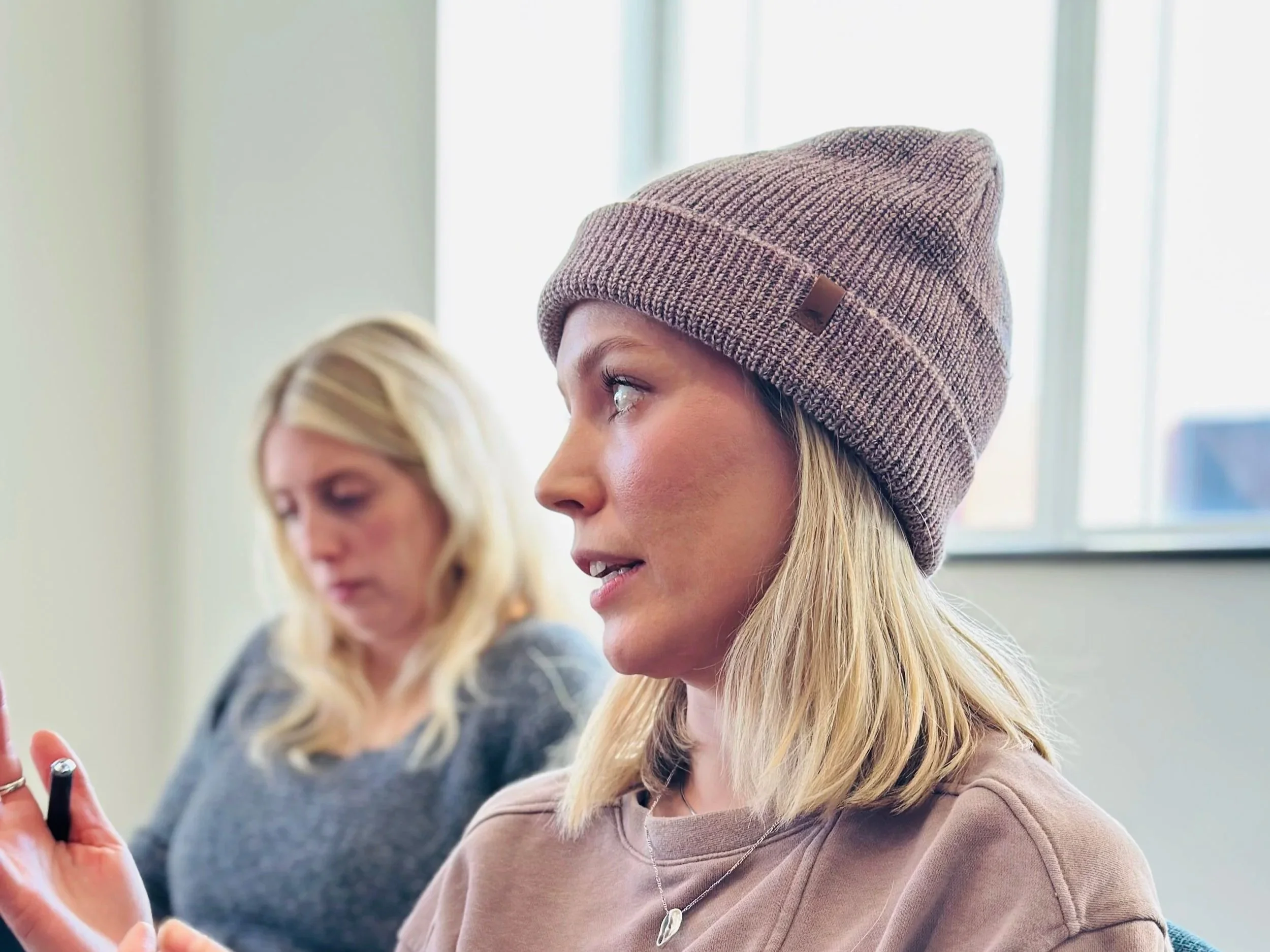
Every week at the Centre for Ecosystem Management (CEM), our postdoctoral fellows (PDFs) gather for a standing meeting that’s part think tank, part sounding board, and part creative laboratory.
We are delighted to announce that our own Dr. Joey Bernhardt has been selected as this year’s recipient of the Stevenson Lectureship Award in recognition of her exceptional scientific leadership and achievement in the aquatic sciences.
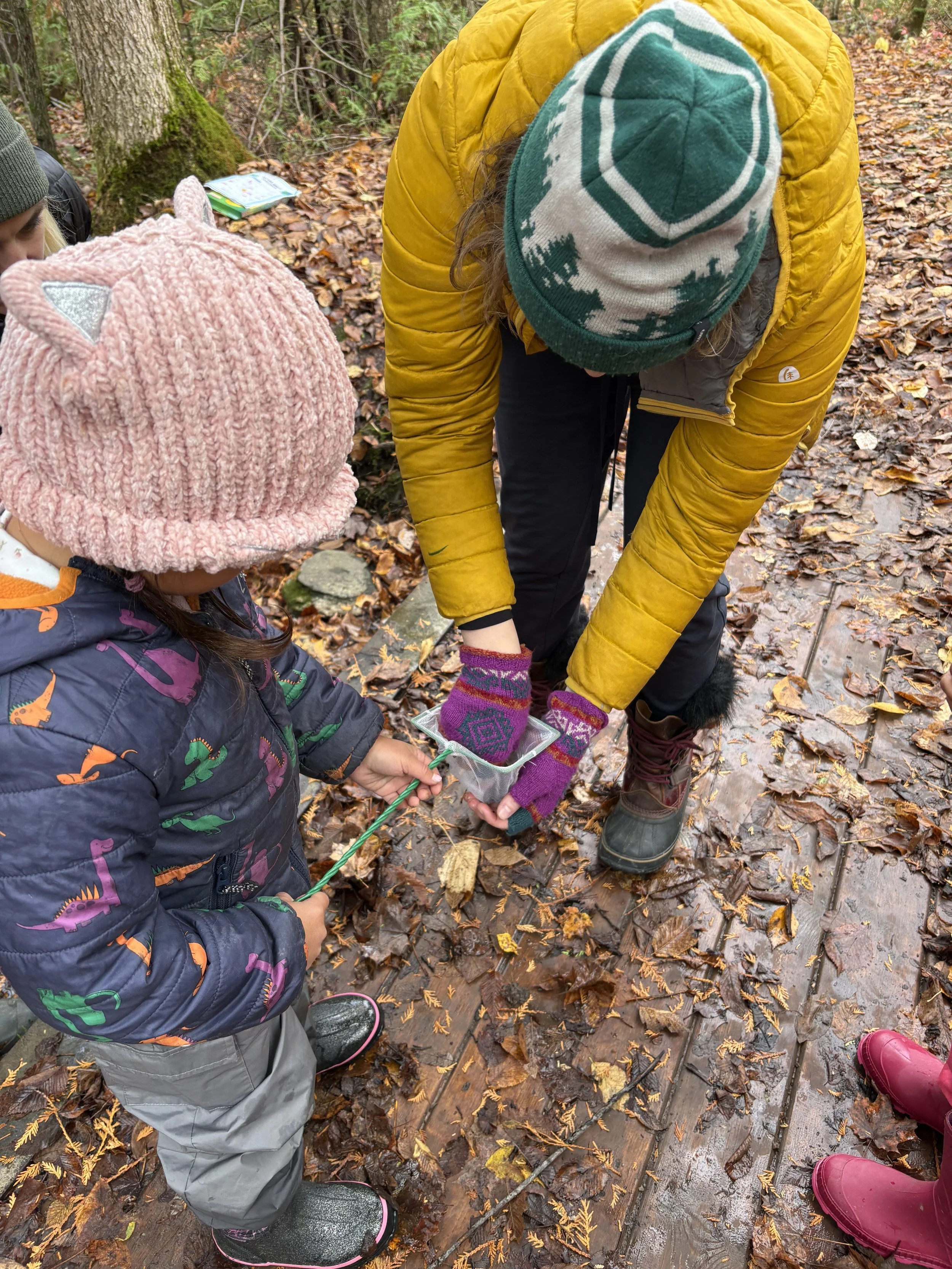
A day of outdoor exploration, wildlife sightings, and freshwater science came to life as some of our postdoctoral fellows led a hands-on outreach event for local youth on the Saugeen Peninsula.
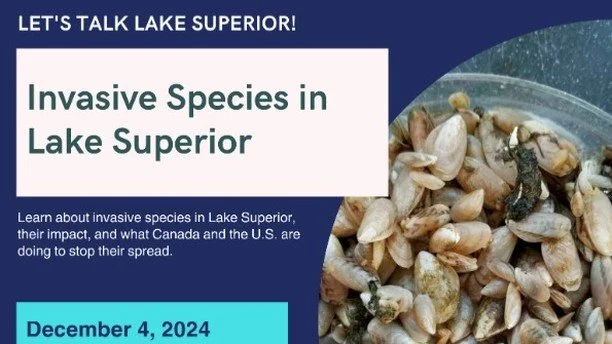
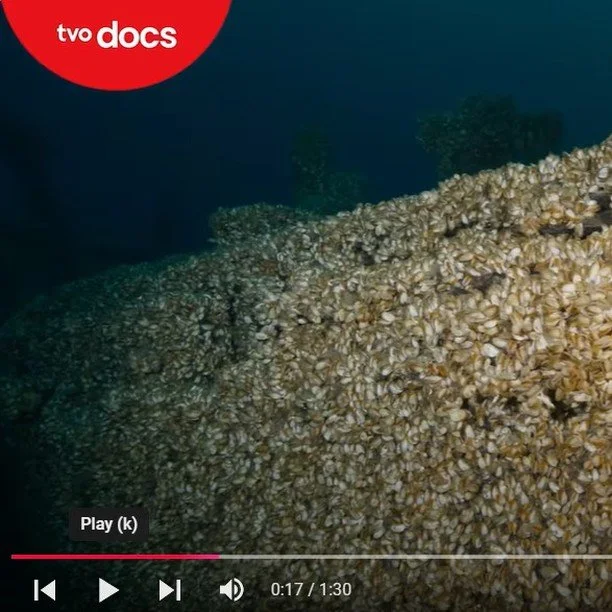
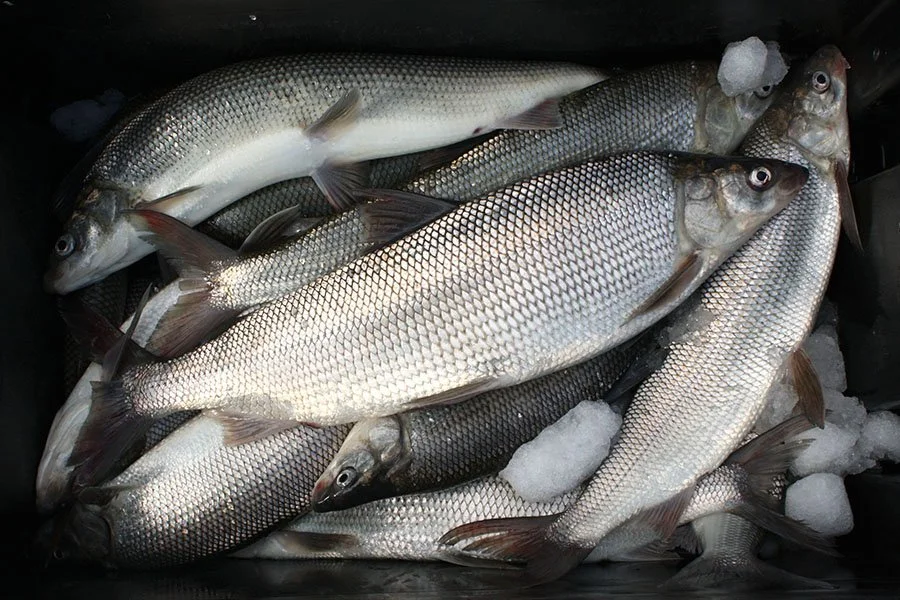
Invasive mussels are still making headlines, as their impacts continue to threaten Great Lakes whitefish on both sides of the U.S.–Canada border.
Ecosystems around the world are speeding up — but what does that mean for their stability and the resources we depend on? A new international working group led by Dr. Kayla Hale at CEM explores how the pace of primary producers sets the rhythm for entire food webs.
The 40th annual Neyaashiinigmiing Traditional Pow Wow brought together community and culture in early August in Cape Croker, attracting several hundred attendees from multiple states and provinces.
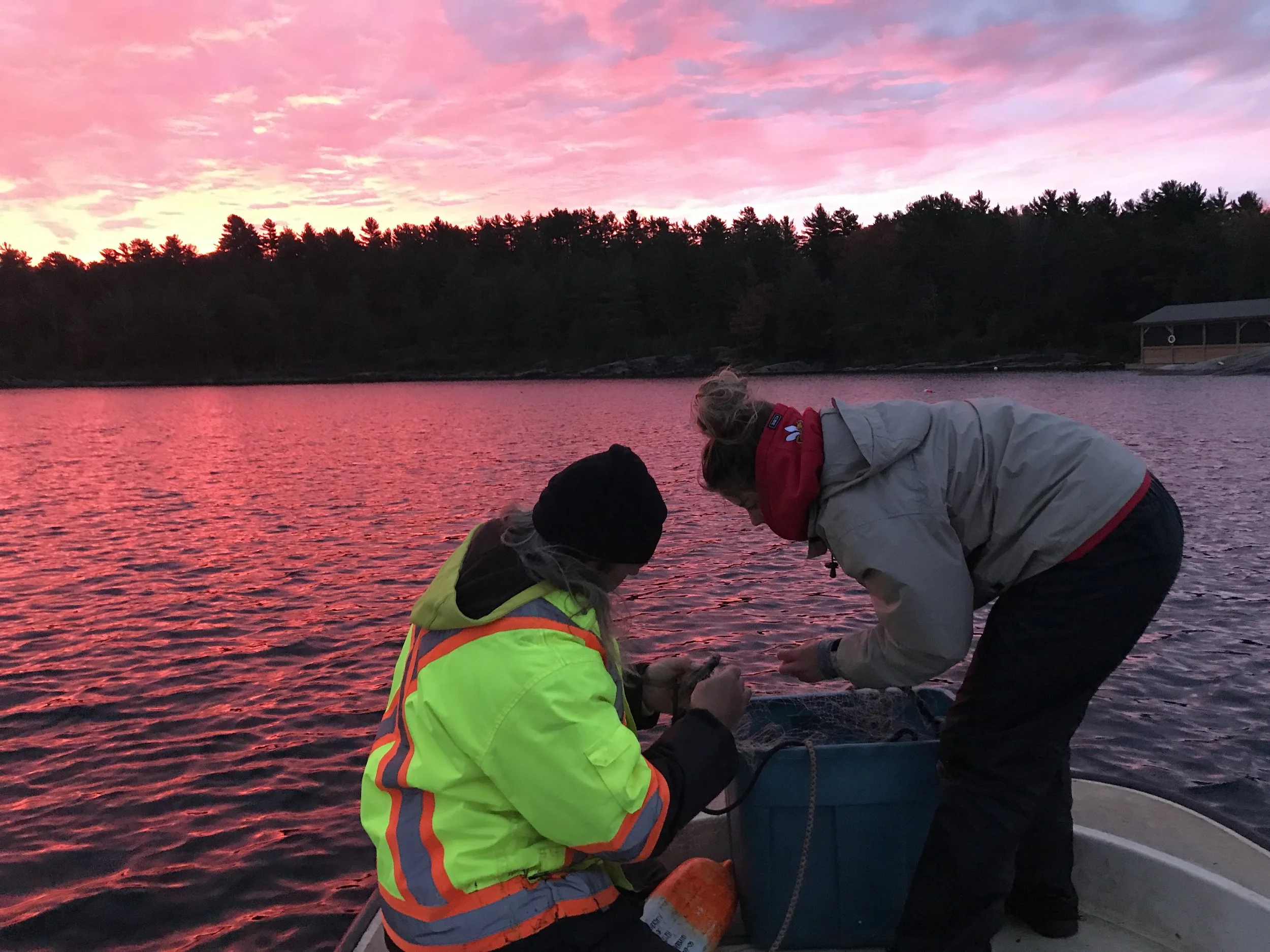
One of the core activities of the Centre is to host postdoctoral fellows and working groups tackling applied biodiversity science challenges in the Great Lakes region. We provide space, support, and knowledge transfer activities relating to biodiversity science.